Kansas City Truancy Court Procedures Parents Should Understand
Children should go to school. Missing too many days might harm your academics, friendships and future objectives. It also can lead to legal action when skipping school becomes a trend . The words “Truancy Court” make a lot of parents get stressed out. That’s reasonable. Court sounds like a serious thing. But often Truancy Court is there to help families find solutions, not only to slap on sanctions. The aim is straightforward. Find out why a student is missing school time after time and work together on practical solutions. Kansas City Specialty Courts programs support people to overcome difficulties. Truancy Court follows the same idea. It looks beyond lost school days and raises a crucial question, “What’s in the way?”
Truancy court isn’t just about attendance
Children are absent from school for a variety of reasons. Some suffer from anxiousness. Some struggle with bullying, health challenges, family changes or transportation issues. Some just fall back till returning seems too much. Families are given the chance to explain those issues before Truancy Court. Judges, school workers, counselors and other experts work together to comprehend each child’s condition. They don’t blame but establish a plan for supporting consistent attendance instead. And that’s how many families go through the procedure with relief and not punishment.
How a Truancy Case Usually Starts
Schools don’t usually go straight to court with a family. Most districts try a number of methods to enhance attendance first. Parents can get letters, phone calls, e-mails or invites to attend meetings with school staff. If there is no improvement in the number of absences, the school may refer the issue to the Truancy Court. Next, parents are told of the hearing date and what documents they should bring. Knowing what’s coming up makes the process a whole lot less stressful.
Preparing for Court
Preparation is key. Parents should gather any documentation explaining missed school days. Helpful documents may include:
- Medical records or doctor notes
- Attendance sheets
- Letters or Emails School
- Counseling records, if they exist
- Any arrangements already made with the school
Come with questions. Ask them in court. Honestly. Good communication allows all to understand what support the learner needs
What happens at the hearing?
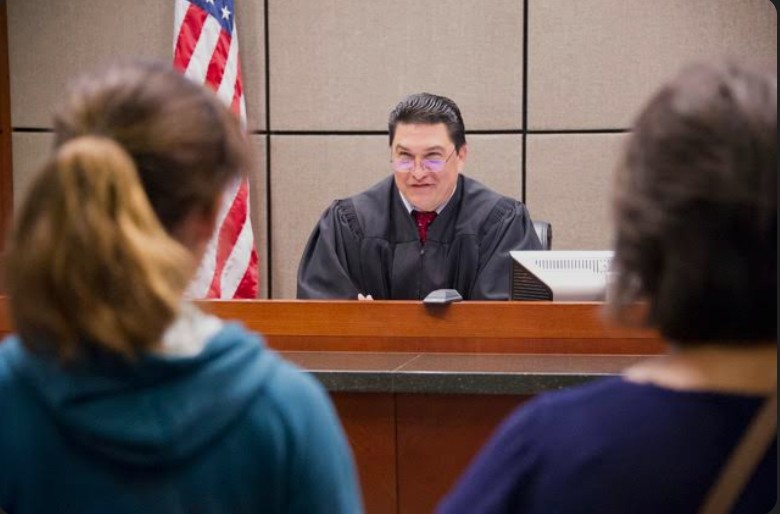
Court sessions are generally civil and task-oriented. The court looks at attendance records and hears both the school and the family. Parents are given the opportunity to explain the issue. Students can also talk about the struggles they have. Sometimes the answer is easy. Sometimes, numerous issues overlap. The court needs good information before it makes its decision. Many hearings result in an attendance improvement plan rather than harsh punishment.
The Attendance Plan
The court shall develop a plan for the student and family after analyzing the situation. That strategy could involve frequent school attendance, counseling, tutoring, mentoring or contact with school professionals. Think of it as a roadmap. Each stage is meant to help the youngster return to school on a regular basis and remove the barriers that led to the absences. This tells the court that everyone is working towards the same goal, if you follow the plan.
Why Parents Play Such a Large Role
Parents are one of the greatest effects on school attendance. People just don’t see what a difference simple habits make. Developing a nighttime routine, laying out school supplies the night before, reviewing assignments and communicating with teachers can all help improve attendance over time. Life is not always predictable. Cars go wrong. Kids get ill. Sometimes there are family emergencies. The court understands. “When things go wrong, communication is so much better than silence.
What if the Plan Is Not Followed?
Not attending appointments or disobeying court orders might lead to more legal problems. Another hearing could be ordered by the judge to check on progress. In some circumstances, additional services and community programs are offered. The court’s goal remains the same: trying to help families fix attendance concerns when it can. If students take each stage seriously, they have the best chance of success.
The Link to Kansas City Specialty Courts
Truancy Court is part of a bigger attempt to address problems before they get worse. Kansas City Specialty Courts are built to assist people move ahead via accountability, therapy, education and support. Instead of zeroing in on the legal question, these courts examine the personal struggles that lie behind it. That strategy generally yields better results for students, families, schools and the community.
How Beyond the Bench KC Helps This Mission
Beyond the Bench KC aims to promote community awareness about the significance of Specialty Courts throughout Kansas City, Missouri. “We believe that lasting change happens when people are given guidance, support and meaningful opportunities to improve their lives. That mission aligns well with Truancy Court. Getting a student back to school today can avoid worse legal or personal concerns down the road. One positive step can turn around a young person’s future. Parents are not expected to have all the answers. They just need to remain involved, talk honestly and work with the court toward sensible answers.
Closing Thoughts
A Truancy Court notice can be a bit intimidating at first glance. That’s a normal response. But it is supposed to help, not just punish. Families who prep, attend hearings and follow the court’s directions typically make real progress. Better attendance means better grades, better routines, and better opportunities. Schools, parents and the court work together significantly more likely to keep pupils on track.”
General Questions
1. What is Truancy Court in Kansas City?
Truancy Court supports kids with chronic attendance issues. It creates a partnership of court, schools, parents and community resources to enhance school attendance and deal with reasons for persistent absences.
2. Do parents need to attend Truancy Court hearings?
Yeah. Parents or legal guardians are typically required to attend. Their input allows the court to understand the family’s condition and design an attendance plan that is right for everyone.
3. Can we support a student rather than punish him?
Yes. Many of the Truancy Court cases are about support, not punishment. Services could include counseling, mentorship, tutoring or referrals to community services that aid students.
4. What do parents bring to a Truancy Court hearing?
Parents have to provide attendance records, medical notes, school communication and other documentation to justify the student’s absences. These records allow the court to get the whole picture.
5. How can Beyond the Bench KC help Truancy Court?
Beyond the Bench KC educates the public on Kansas City’s Specialty Courts and their mission to address the root causes of legal crises. The organization supports these projects promoting solutions that strengthen families, enhance school attendance and produce great results for young people and the community.