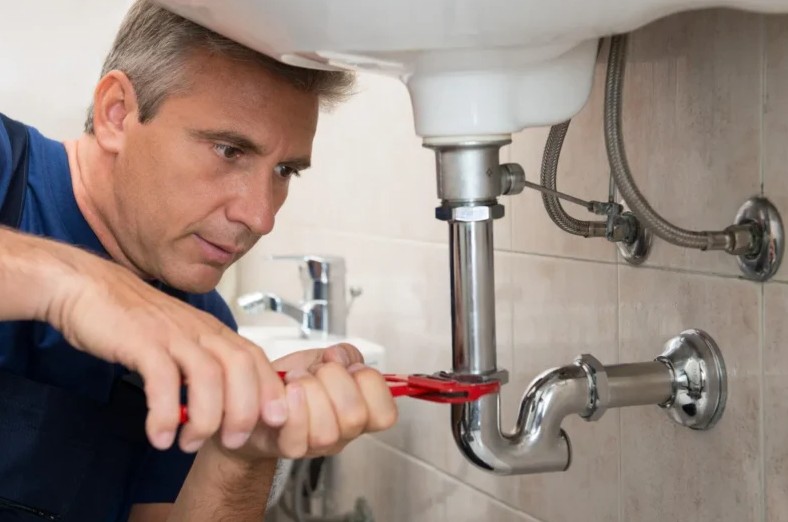
How Do I Prevent Plumbing Emergencies In My Clinton Home?
Plumbing emergencies rarely happen without warning. Most of the time, there were signs, and they got ignored. A slow drain turns into a backed-up sewer line. A small leak under the sink turns into water damage inside the cabinet. A water heater that’s been making rumbling sounds for months finally gives out on a Sunday night in January. Getting ahead of these problems is the whole point of plumbing services from Tennessee Standard Plumbing in Clinton. This guide walks through the practical maintenance steps that Clinton homeowners can take to keep their systems running without a crisis.
What Are the Most Common Causes of Plumbing Emergencies in Homes?
Understanding what goes wrong most often makes prevention more targeted.
Burst Pipes
Usually caused by freezing in winter, corrosion in older pipes, or a sudden pressure spike. Burst pipes can release hundreds of gallons of water in a short period, causing significant structural and property damage.
Sewer Line Blockages
Tree roots, grease buildup, and deteriorating clay pipes are the most common causes. When the main line backs up, every drain in the house is affected, toilets, showers, sinks, everything.
Water Heater Failure
Most water heaters last 8 to 12 years. Corrosion, sediment buildup, and a failing pressure relief valve are the most common culprits when they give out. A failed water heater often leaks before it stops working entirely.
Fixture and Supply Line Leaks
Faucets, toilets, and supply lines that aren’t maintained eventually fail. Supply line failures are especially damaging because they carry constant water pressure. A braided supply line that bursts under a sink can flood a room quickly.
What Routine Maintenance Can Prevent Most Plumbing Problems?
Most plumbing emergencies come down to deferred maintenance. Here’s what to stay on top of.
Check Water Pressure Annually
High water pressure is one of the leading causes of pipe and fixture damage. Residential water pressure should stay between 40 and 80 PSI. Anything consistently above that puts stress on pipes, joints, and appliances. A plumber can test pressure and install a pressure-reducing valve if needed.
Inspect for Slow Drains
A drain that empties slowly is a warning sign, not a minor inconvenience. It means something is narrowing the line, whether hair, grease, soap residue, or a developing blockage. Addressing it early is far cheaper than clearing a full backup.
Flush the Water Heater Annually
Sediment accumulates at the bottom of tank water heaters over time. Flushing the tank once a year removes that buildup, helps the heater run more efficiently, and extends its lifespan. It’s a straightforward task that most homeowners skip.
Test the Toilet Flapper and Fill Valve
A running toilet can waste 200 gallons of water per day. The flapper and fill valve are inexpensive parts that wear out over time. Testing these annually and replacing them when they show signs of wear is a low-cost way to avoid a bigger problem.
How Do You Prepare Your Plumbing for Tennessee Winters?
Clinton and Anderson County do see freezing temperatures, and frozen pipes are one of the most destructive plumbing events a home can experience.
- Insulate exposed pipes in crawl spaces, attics, garages, and along exterior walls using foam pipe insulation
- Know where your main shutoff valve is and make sure every adult in the home can operate it
- Let faucets drip slowly during hard freezes, especially pipes on exterior walls
- Disconnect outdoor hoses before the first freeze and shut off the outdoor supply line
What Are the Early Warning Signs to Watch For?
These signs often appear before a full emergency. Don’t wait to investigate them.
- Water stains on ceilings or walls, sign of a slow leak above
- Musty smell in cabinets under sinks
- Water pooling near the base of a toilet
- Hot water that takes much longer to arrive than it used to
- Gurgling sounds from drains after flushing
- A water meter that keeps ticking when all fixtures are off (sign of a hidden leak)
Frequently Asked Questions
How often should a home’s plumbing be professionally inspected?
Most plumbers recommend a full inspection every two to three years for homes under 20 years old and annually for older homes. If you’ve had recurring issues, more frequent checks make sense.
What’s the best way to avoid sewer line problems in Clinton?
Avoid pouring grease down drains, use drain screens to catch debris, and don’t flush anything other than toilet paper. If your home has older clay sewer pipes or large trees near the main line, a camera inspection every few years can catch root intrusion before it becomes a full blockage.
Is it worth getting a home warranty that covers plumbing?
Home warranties vary significantly in what they cover and how claims are handled. Some cover only specific components or exclude pre-existing conditions. Reading the fine print carefully before purchasing is important if plumbing coverage is a priority.
Can water pressure be too low, not just too high?
Yes. Low water pressure below 40 PSI can indicate a problem with the supply line, a partially closed shutoff valve, or corrosion buildup in older pipes. It’s worth having a plumber investigate if pressure is consistently low throughout the home.