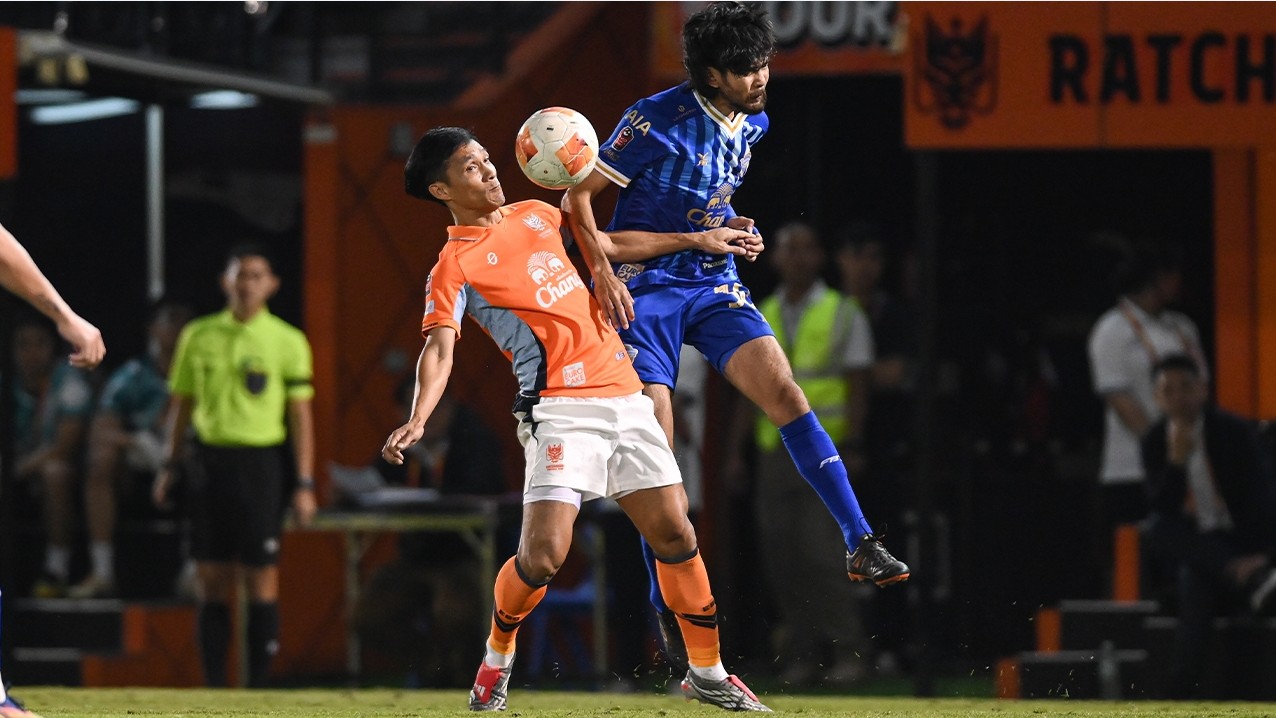
How Deep-Defending Counter-Attacking Teams in Thai League 2020/2021 Create Betting Value
Deep-block, counter-attacking teams often look passive on the surface, but their effectiveness lies in controlling space and exploiting moments. In the Thai League 2020/2021 season, these teams frequently disrupted stronger opponents and created value opportunities when markets underestimated their tactical discipline. Understanding how they operate reveals when and why backing them becomes logical.
Why Deep Defensive Systems Can Neutralize Stronger Teams
A deep defensive setup compresses space in critical areas, limiting the effectiveness of technically superior opponents. Instead of competing in open play, these teams shift matches into controlled, low-variance environments.
This reduces the number of decisive actions. Stronger teams may dominate possession but struggle to create high-quality chances, narrowing the gap between both sides.
The Counter-Attacking Edge
The true strength of these teams lies not in defense alone, but in their transition phase. Counter-attacks exploit moments when opponents are most vulnerable.
Key Counter Mechanisms
- Rapid forward movement immediately after ball recovery.
- Targeting space left by attacking full-backs.
- Direct passing to bypass midfield congestion.
- Limited but high-quality chance creation.
These mechanisms allow teams to create scoring opportunities without sustained possession, increasing efficiency.
Identifying Teams with Effective Deep-Block Systems
Not all defensive teams are suitable for this approach. The key is distinguishing between passive defending and structured counter systems.
Before listing indicators, it is important to focus on consistency.
- Teams maintaining compact defensive shape across matches.
- Sides conceding low-quality chances despite high possession against them.
- Teams creating clear chances from limited attacks.
- Consistent performance against stronger opponents.
These characteristics indicate a functioning system rather than reactive defending.
Situations Where This Style Becomes Most Valuable
Deep-block teams become particularly effective under certain match conditions, especially when facing opponents that commit heavily to attack.
- Matches against possession-dominant teams.
- Situations where the opponent must win and pushes forward.
- Games with clear quality gaps that inflate odds.
- Away matches where defensive setups are expected.
These contexts amplify counter-attacking opportunities and increase the likelihood of outperforming expectations.
When the Approach Fails
This style is not universally effective. Certain conditions reduce its impact and increase risk.
Teams that struggle to transition quickly or lack finishing quality may absorb pressure without creating meaningful chances. Additionally, conceding early goals forces them to abandon their structure, exposing weaknesses.
Recognizing these limitations prevents overestimating defensive setups.
Market Mispricing of Defensive Teams
Markets often favor teams that dominate possession and attacking metrics, undervaluing defensive structures that disrupt play.
Observation suggests that within a betting interface connected to ยูฟ่าเบท, deep-defending teams are frequently priced as clear underdogs even when their tactical setup reduces match volatility. This creates opportunities when probability is closer than odds imply.
Comparing Deep-Block vs Open-Play Teams
Understanding how different styles influence outcomes helps refine betting decisions.
| Team Style | Match Behavior | Betting Implication |
| Deep-block counter | Low tempo, selective attack | Value in underdog positions |
| Possession dominant | High control, high volume | Overvalued in tight matches |
| High pressing | High tempo, high risk | Volatile outcomes |
| Open attacking | End-to-end play | Less predictable |
This comparison shows that deep-block teams reduce chaos, making matches more controlled and often closer than expected.
Recognizing these dynamics allows bettors to identify value in overlooked scenarios.
Psychological Discipline and Patience
Deep-defending teams rely heavily on discipline. Players must maintain concentration and resist the urge to break structure prematurely.
In broader behavioral parallels, patterns observed in casino online environments show that disciplined strategies often outperform aggressive ones over time by reducing unnecessary risk. In football, this translates into fewer defensive errors and better execution of counter opportunities.
This psychological stability reinforces tactical effectiveness.
Building a Strategy Around Deep-Block Teams
To use this approach effectively, bettors need a structured framework that integrates tactical understanding with market awareness.
Before placing a bet, a practical process should include:
- Identifying teams with consistent defensive structure.
- Evaluating counter-attacking efficiency and chance quality.
- Analyzing opponent style and vulnerability to transitions.
- Assessing match context and expected game flow.
- Comparing odds with realistic outcome probability.
This approach ensures that bets are based on how matches are likely to unfold, not just surface-level statistics.
Summary
Deep-defending, counter-attacking teams in Thai League 2020/2021 created value by controlling match structure and exploiting transitional moments. While often underestimated by markets, their effectiveness depended on discipline, context, and execution. By understanding when these systems are most effective, bettors can identify opportunities where odds fail to reflect true competitive balance.